
First Responders
First Responders are exposed to repeated work-related traumas, and over the course of their careers, many experience mental health concerns such as anxiety, depression, PTSD, addiction and are at a much higher risk for suicide.

Traditional talk therapy doesn’t always lend itself to healthcare providers because much of the session is spent explaining hospital nuances. As a nurse, I’m not confused by the culture, pace, or pressure associated with the field. I also don’t need a glossary for rounds, critical values, charting, or why you’re still thinking about a case from six years ago. We can talk like normal people and deal with what you need help processing and working through.
Explaining call schedules, OHIP and shadow billing, hospital politics, lawsuits, mortality reviews, and the culture of medicine to someone outside of the field is challenging and can waste hours of valuable session time.
Above all, I believe and practice in a way that is science and evidence-based and adherent to best practice guidelines. I believe that different circumstances warrant different types of therapy, and I also believe in the importance of collaborative care where applicable.
Physicians
First Responders
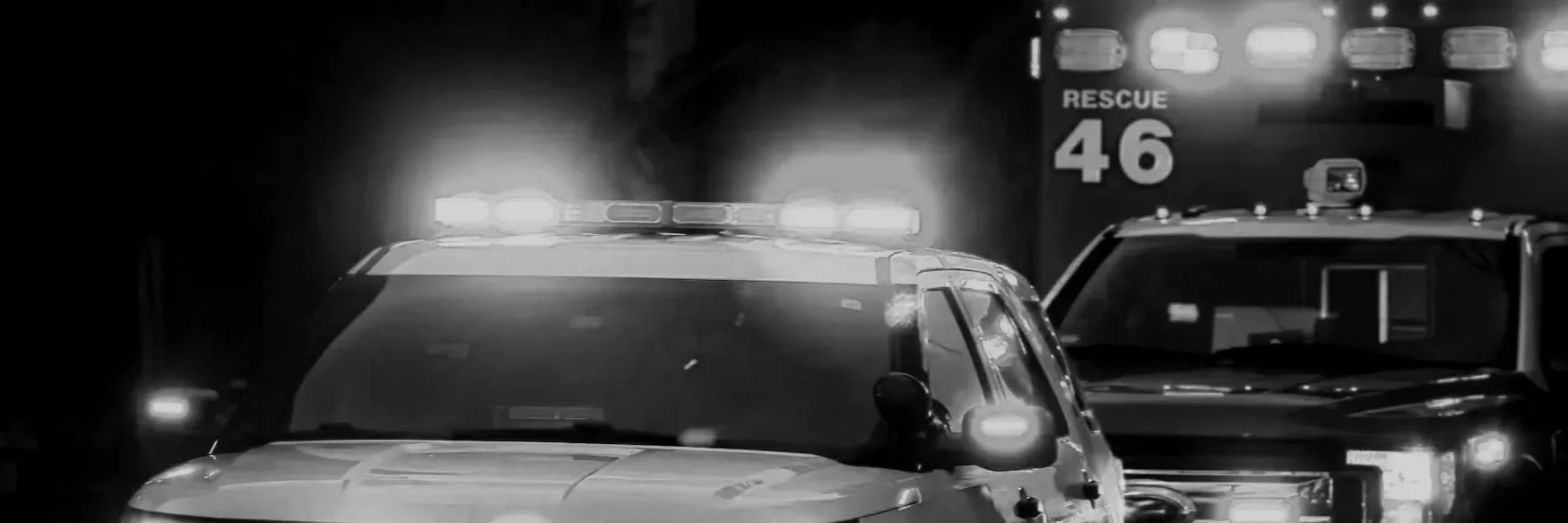
First responders deal with danger, trauma, pressure, and emotional intensity every shift. Paramedics, police, firefighters, dispatchers, and correctional officers see death, injury, violence, disaster, and human suffering more often than anyone else. Protecting their mental health is just as important as protecting their bodies. That’s why the therapy they need has to be specifically designed for them, not a generic counselling approach.

Explaining nurse culture to a therapist who’s never stepped foot on a unit is challenging due to the unique nature of the profession. Standard talk therapy often misses this; nurses don’t need someone shocked by the stories or asking basic questions about how hospitals work. Therapy shouldn’t require clients to spend time explaining the complexities and nuances of the profession to someone unfamiliar with the field.
As a nurse, I’ve worked through the hours, nights, traumas, and the pandemic. I’ve also been the student nurse on a floor surrounded by senior nurses who resent an unfamiliar presence. I know what it feels like to walk to your car after shift and just sit there staring at the steering wheel. Being a nurse means repeated exposure to things that the average person will never encounter.
I understand the culture, the dark humour, the compartmentalizing, and the guilt that comes with losing a patient. I understand what it feels like to walk out of a shift wired, numb, or both. I offer nurses a combination of talk therapy, and prolonged exposure when applicable. No story is taboo, and I can guarantee a judgement free setting from someone versed in the field of nursing.