

Exposure and Response
Prevention (ERP)
Exposure and response prevention (ERP) is the first-line, evidence-based treatment for obsessive-compulsive disorder. Treatment is direct and behavioural. Clients intentionally face feared thoughts, images, or situations while refraining from rituals or avoidance, which interrupts the obsession–compulsion cycle. Decades of research consistently show ERP is the most effective intervention for OCD, with roughly 80% of people achieving meaningful symptom reduction.
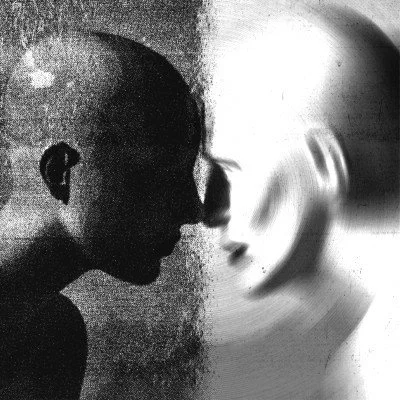
What is ERP therapy?
Traditional talk therapy is not effective for treating OCD because it doesn’t address compulsions. ERP is a specialized CBT method proven to be effectiveExposure and response prevention (ERP) is a specialized form of cognitive behavioural therapy with strong evidence for treating obsessive-compulsive disorder. Standard or nonspecific CBT, when not adapted for OCD, is often ineffective and can sometimes reinforce symptoms. ERP targets the problem directly by having patients face intrusive thoughts and anxiety while deliberately refraining from compulsions.
This approach is recognized as first-line care by the American Psychiatric Association, National Institute for Health and Care Excellence, and World Health Organization.
How exactly does ERP work?
ERP trains people to tolerate anxiety and uncertainty rather than neutralize it with compulsions.
It has two components:
Exposure: Systematically confronting the thoughts, images, sensations, urges, or situations that trigger obsessions.
Response prevention: Deliberately refraining from the rituals or avoidance behaviors that typically follow.
With repetition, the nervous system learns that anxiety rises, peaks, and falls on its own. No ritual required. This learning process weakens the obsession–compulsion loop and restores functional control.
ERP and other OCD treatments
ERP consistently outperforms talk therapy or medication used on their own, though it can be combined with both.
Talk therapy: Insight-oriented or supportive therapy does little to change OCD symptoms, and can actually worsen them. Understanding the problem is not the same as changing the behaviour that maintains it.
Medication: Selective serotonin reuptake inhibitors (SSRIs) can lower symptom intensity and are commonly used alongside ERP to make exposures more tolerable. As a registered nurse psychotherapist, I encourage you to speak with your primary caregiver about if medication is an option for you.
Other approaches: Acceptance and commitment therapy (ACT) and mindfulness strategies can support the work, but the evidence base is smaller and they are considered adjuncts, not primary treatments.
The OCD Cycle

Obsessions
Repetitive and unwanted thoughts, images, urges, or feelings

Distress
The thoughts feel significant, therefore they cause profound stress

Compulsions
An action or behaviour is repeatedly (“compulsively”) performed to reduce distress

Temporary Relief
Compulsions provide a short burst of relief, but the feelings of anxiety return shortly after

“OCD is not a disease that bothers; it is a disease that tortures.”
— J. J. Keeler, I Hardly Ever Wash My Hands
Exposure & Response Prevention Process
If you are struggling with obsessive-compulsive disorder (OCD), reach out today to meet and learn more about specialized treatment options for adults.
Consultation
We’ll work through exposures step by step, facing fears directly instead of avoiding them. You’ll have structure, support, and accountability with no fluff, only evidence-based care.
Treatment
Real progress happens outside the session. You’ll get targeted assignments to practice daily, building skills and confidence until OCD no longer calls the shots.
Homework